Strategic Applications of the Church Cross SVG Cut File for Faith-Based Branding
In the evolving landscape of digital design and handmade commerce, the distinction between a generic asset and a strategic brand tool often lies in intentionality. The Church Cross SVG Cut File is not merely a graphic element; it is a versatile component that, when deployed with precision, can significantly enhance the visual identity of faith-based organizations, ministries, and creative entrepreneurs. For those operating within the DIY sector or managing small business product lines, understanding how to leverage this specific digital asset requires more than technical proficiency with cutting machines. It demands a clear vision of how symbolic imagery communicates values, fosters community connection, and drives engagement.
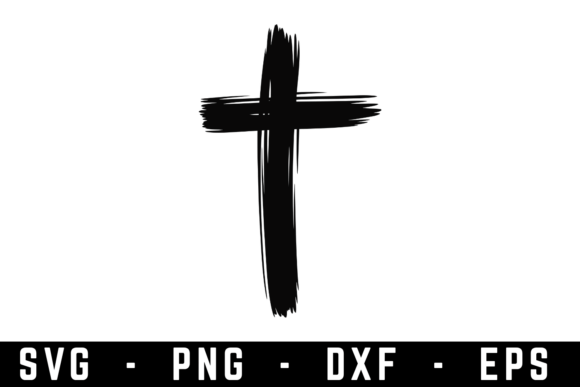
Welcome to my shop SVG Cut File is perfect for all your DIY projects or handmade business product lines. You can create T-shirts, Wood Signs, Mugs, Tumblers, Ornaments, Cards, Party Décor, and more for yourself and others. This listing includes a ZIP folder containing the following formats SVG PNG EPS DXF. However, the true value of these files emerges when they are integrated into a broader communication strategy. Whether you are a church administrator looking to unify event branding or a crafter aiming to serve a niche market, the approach you take toward using the Church Cross SVG Cut File will determine the impact of your final products.
Aligning Visual Assets with Organizational Goals
Before initiating any design project, it is crucial to define the objective. Are you creating merchandise for a fundraising event, designing decor for a sanctuary renovation, or producing gifts for volunteer appreciation? Each scenario requires a different application of the cross motif. The Church Cross SVG Cut File offers a clean, scalable vector format that ensures crisp edges whether applied to a small ornament or a large wooden sign. This scalability is essential for maintaining professional quality across diverse media.
Strategic use begins with audience analysis. A youth group event might benefit from a modern, minimalist interpretation of the cross on vibrant t-shirts, while a formal gala might call for elegant, serif-integrated designs on high-quality cardstock invitations. By matching the stylistic nuances of the SVG file to the demographic and tone of the event, you ensure that the visual language resonates with the intended recipients. This alignment enhances perceived value and strengthens the emotional connection between the organization and its community.
Enhancing Productivity Through Versatile File Formats
Efficiency in production is a key driver of profitability for small businesses and time-strapped volunteers. The inclusion of multiple file formats—SVG, PNG, EPS, and DXF—within the zip folder addresses the compatibility requirements of various software and hardware ecosystems. Understanding which format to use for specific tasks can streamline your workflow and reduce errors.
- SVG (Scalable Vector Graphics): Ideal for cutting machines like Cricut and Silhouette. It preserves quality at any size and allows for easy color separation and layering.
- DXF (Drawing Exchange Format): Often preferred by users of older cutting software or specific industrial plotters. It provides precise vector paths without the complexity of XML-based SVG structures.
- PNG (Portable Network Graphics): Suitable for sublimation printing, web graphics, and digital mockups. The transparent background ensures seamless integration into complex designs.
- EPS (Encapsulated PostScript): Best for professional graphic design software such as Adobe Illustrator. It allows for advanced editing and manipulation of vector nodes.
By selecting the appropriate format from the outset, you avoid unnecessary conversion steps that can degrade file quality or introduce compatibility issues. This technical foresight contributes to smoother operations and consistent output quality, which are critical for maintaining brand integrity.
Risk Management and Contextual Sensitivity
While the Church Cross SVG Cut File is a powerful tool, its misuse can lead to unintended consequences. Religious symbols carry significant weight and meaning. Deploying them without careful consideration of context can result in messaging that feels commercialized, disrespectful, or disconnected from the core values of the faith community. It is essential to approach the use of this asset with cultural and theological sensitivity.
For instance, placing a sacred symbol on items that may be treated casually or discarded can undermine the reverence associated with the image. Strategic planners should evaluate the lifecycle of the product and its intended use. Additionally, ensuring that the design aligns with the specific denominational preferences of your audience is vital. Some traditions favor simple, unadorned crosses, while others may appreciate more ornate or stylized representations. Conducting brief consultations with community leaders or focus groups can provide valuable insights and prevent missteps.
Long-Term Value and Brand Consistency
Consistency in visual branding builds trust and recognition over time. By establishing a standard set of design elements, including the Church Cross SVG Cut File, organizations can create a cohesive look across all touchpoints. From weekly bulletin covers to annual conference merchandise, a unified aesthetic reinforces identity and professionalism. This consistency aids in memory retention and helps distinguish your organization in a crowded marketplace of ideas and events.
Furthermore, investing in high-quality, versatile assets like this SVG file reduces the need for constant redesigns. Once a successful template is established, it can be adapted for various seasons and events with minimal effort. This adaptability supports long-term planning and resource allocation, allowing teams to focus on content and community engagement rather than repetitive design tasks.
Technical Preparation and File Management
To maximize the utility of your purchase, proper file management is essential. Many users encounter difficulties initially due to unfamiliarity with compressed file formats. Q: How do I unzip the files? A: To unzip the files, you will need software such as WinZip or 7-Zip. You can download this software for free from their websites. Once you have installed the software, right-click on the zip file and select “Extract All” or “Extract Here”. You will then see the files in a folder.
Organizing these extracted files into a dedicated directory with clear labeling facilitates quick access during future projects. Consider creating subfolders for different file types or project categories. This systematic approach saves time and reduces frustration, especially when working under tight deadlines. Additionally, keeping backup copies of original files ensures that you always have access to pristine versions, safeguarding against accidental corruption or modification.
Strategic Decision-Making for Creators
For entrepreneurs and creators, the decision to incorporate the Church Cross SVG Cut File into your product line should be driven by market demand and brand alignment. Analyze your customer base to identify gaps in current offerings. Are there specific holidays or events where faith-based decor is in high demand? Use the versatility of the SVG file to create targeted products that meet these needs. Test different applications, such as vinyl decals for cars, embroidered patches for bags, or laser-cut wood art, to diversify your portfolio.
Moreover, consider the narrative behind each product. Storytelling adds depth and value to handmade items. Explain the inspiration behind the design, the significance of the cross in your community, or the craftsmanship involved in creating the piece. This contextual information transforms a simple commodity into a meaningful keepsake, fostering deeper connections with customers and encouraging loyalty.
In conclusion, the Church Cross SVG Cut File is a strategic asset that, when used with intention and skill, can enhance branding, improve operational efficiency, and deepen community engagement. By focusing on goals, understanding technical requirements, respecting contextual sensitivities, and maintaining consistency, you can unlock the full potential of this digital resource. Whether you are a seasoned designer or a novice crafter, approaching this tool with a strategic mindset will yield better results and more meaningful outcomes for your projects and your audience.